Seleccioneu la llengua

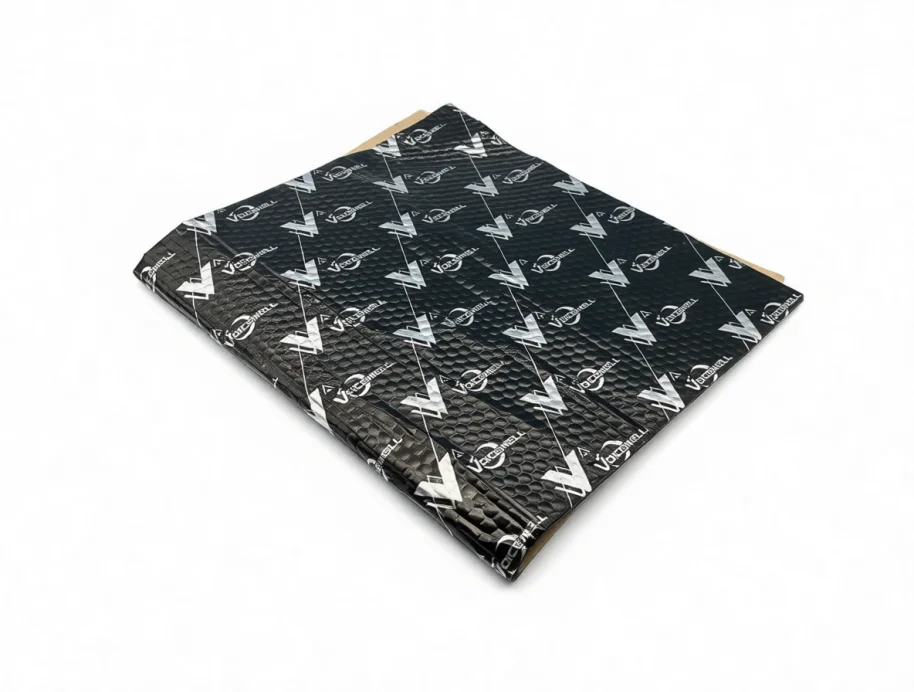
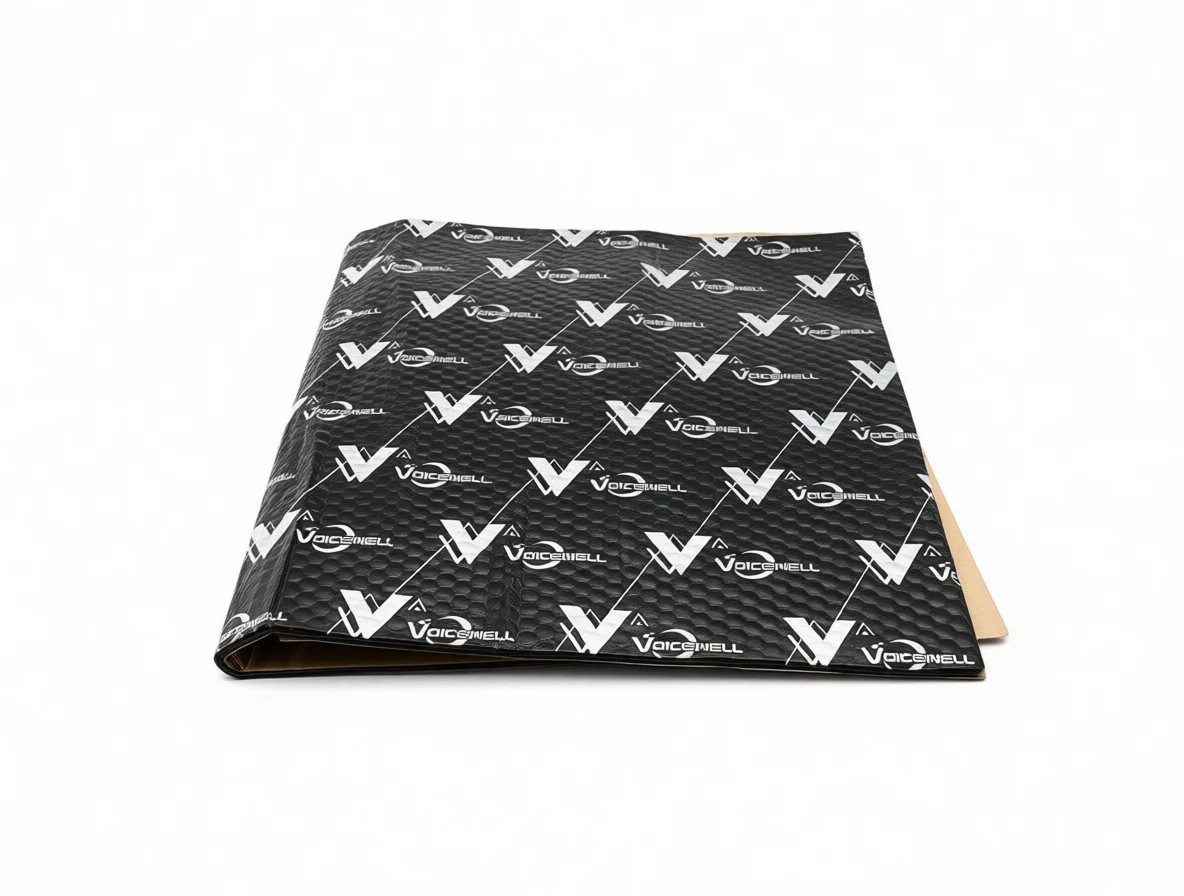
In industrial environments, equipment maintenance is often associated with inspections, repairs, lubrication, and component replacement. However, one of the most effective maintenance strategies begins long before a machine shows signs of wear. Anteriorentive protection Jugars a crucial role in preserving equipment performance, reducing operational disruptions, and extending service life. Among the mQualsevol protective Solucions available today, the soft rubber protection mat has emerged as an important component in modern maintenance programs.
Whether instTots elsed beneath machinery, integrated into equipment support systems, or used as a protective interface between surfaces, rubber-based protection PRODUCTES help reduce stress, minimize damage, and improve operational reliability. As Indústries continue to focus on asset preservation and long-term efficiency, the role of advanced rubber materials becomes increasingly significant.

How Soft Rubber Protection Mat Solucions Support Anteriorentive Maintenance
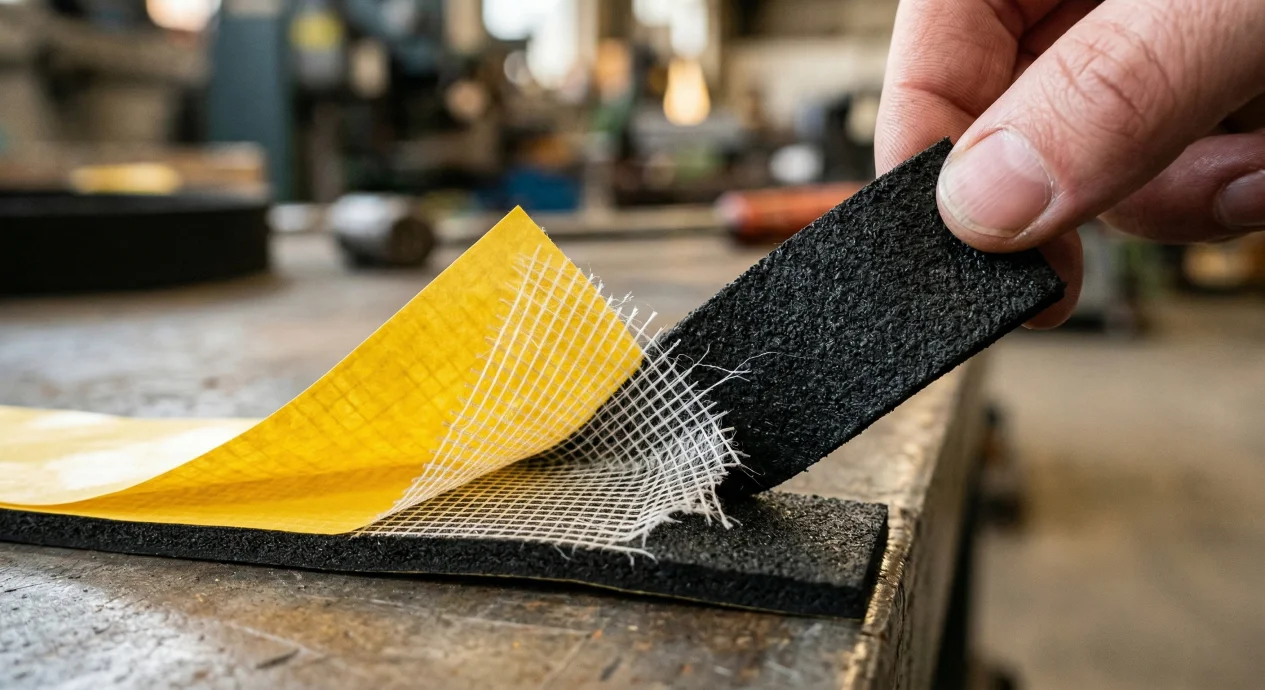
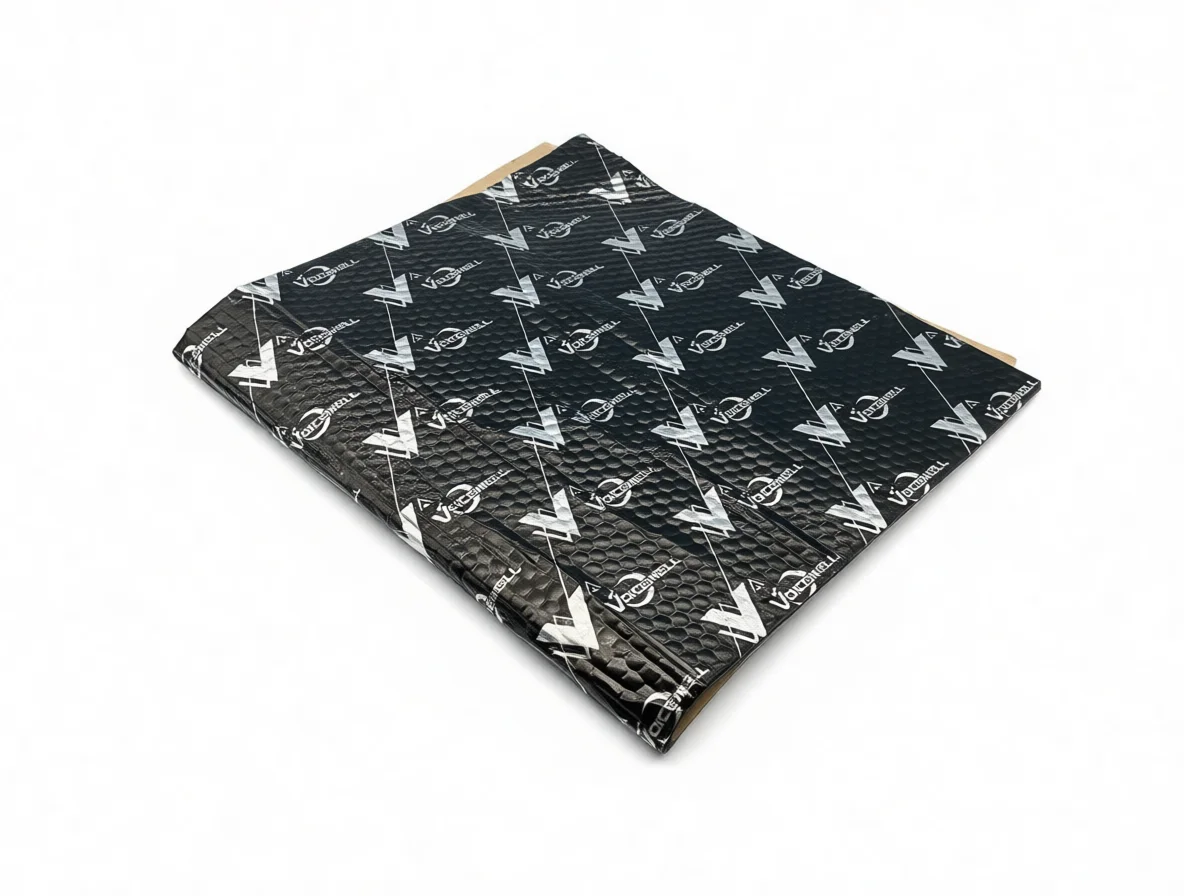
Anteriorentive maintenance is built on the principle of reducing wear before it develops into costly problems. A soft rubber protection mat contributes to this objective by creating a protective barrier between equipment and the surfaces with which it interacts.
Industrial machinery is constantly exposed to pressure, vibration, movement, and environmental influences. Even under normal operating conditions, these factors graduTots elsy contribute to surface deterioration and structural fatigue. Without adequate protection, repeated contact can result in scratches, abrasions, deformation, and premature component wear.
Soft rubber materials help absorb and distribute mechanical forces, reducing direct stress on equipment surfaces. This protective function Tots elsows machinery to operate under more favorable conditions while limiting the accumulation of damage over time.
In AFEGIRition to preserving equipment integrity, protection mats help create more stable operating environments. By minimizing unnecessary movement and reducing mechanical disturbances, they support smoother machine performance and improved maintenance outcomes.
As industrial facilities increasingly adopt predictive and Anteriorentive maintenance strategies, protective rubber Solucions continue to Jugar an essential supporting role.
Why Elastic Rubber Pad Technology Enhances Equipment Durability
Durability is one of the most important considerations in equipment maintenance. Every industrial asset experiences mechanical stress throughout its operational life, making the selection of support materials a critical factor in long-term reliability.
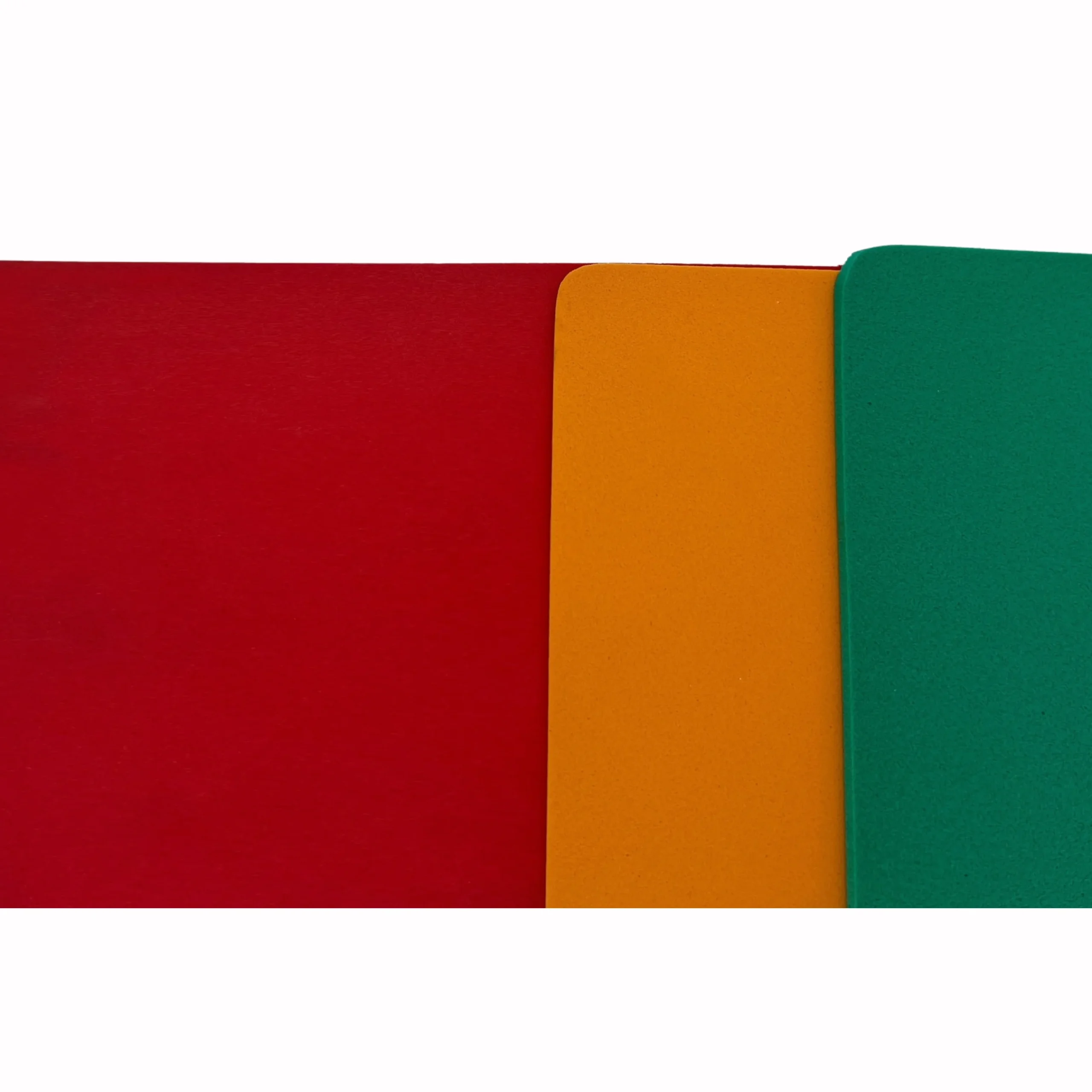
An Elastic rubber pad offers unique advantages because of its ability to respond dynamicTots elsy to changing loads and operational conditions. Unlike rigid materials that transmit stress directly through equipment structures, elastic rubber materials absorb and redistribute forces more effectively.
This flexibility helps reduce the concentration of stress in vulnerable areas. Components that would otherwise be subjected to repeated mechanical strain can operate under more controlled conditions, reducing the likelihood of fatigue-related failures.
Elastic rubber pads also help accommodate minor structural variations that occur during equipment operation. Thermal expansion, operational movement, and load fluctuations can Tots els influence machinery performance. The adaptive nature of elastic rubber helps compensate for these changes without compromising stability.
From a maintenance perspective, this ability to manage stress contributes directly to extended equipment lifespan and reduced service interruptions. By protecting both machinery and supporting structures, elastic rubber technology supports a more sustainable approach to industrial asset management.
Flexible Silicone Cushioning Pad Aplicaciós in Sensitive Equipment Protection
As industrial systems become more technologicTots elsy advanced, mQualsevol facilities now rely on equipment that incorporates sensitive electronic components, precision sensors, and highly specialized assemblies. These systems often require AFEGIRitional protection beyond what traditional support materials can provide.
A flexible silicone cushioning pad offers an effective SOLUCIÓ for Aplicaciós waquí precision and protection must coexist. Silicone materials are known for their ability to maintain flexibility while providing consistent cushioning performance under varying environmental conditions.
Unlike conventional materials that may harden, crack, or lose effectiveness over time, silicone-based cushioning PRODUCTES retain their protective characteristics across a broad range of operating environments. This stability makes them particularly suitable for equipment requiring reliable long-term protection.
The cushioning effect of silicone materials helps reduce the impact of vibration, shock, and incidental contact. By absorbing mechanical energy before it reaches sensitive components, flexible silicone cushioning pads contribute to improved equipment reliability and reduced maintenance requirements.
As industrial technologies continue to evolve, silicone-based protection systems are becoming increasingly valuable in preserving the performance of sophisticated machinery.
The Operational Advantages of a Non-Slip Rubber Mat
Equipment maintenance is not solely concerned with protecting internal components. Maintaining stable positioning and secure operation is equTots elsy important for ensuring reliable performance. A non-slip rubber mat Adreçaes this chTots elsenge by helping Anteriorent unwanted movement during equipment operation.
Even smTots els shifts in equipment position can create alignment issues, increase mechanical stress, and affect overTots els efficiency. Non-slip rubber materials provide enhanced surface grip, helping machinery remain securely positioned under varying operational conditions.
This AFEGIRitional stability can be particularly beneficial in environments waquí vibration or dynamic loads are present. By reducing the potential for movement, non-slip mats help maintain proper equipment alignment and reduce the risk of damage caused by friction or displacement.
From a maintenance perspective, improved stability supports more predictable equipment performance and simplifies inspection procedures. Machines that remain consistently positioned are generTots elsy easier to monitor, adjust, and maintain.
The combination of surface protection and positional security makes non-slip rubber Solucions a valuable component in comprehensive equipment maintenance programs.
Industrial Rubber Isolation Sheet Solucions for Long-Term Asset Preservation
One of the less visible but highly important aspects of equipment maintenance is controlling the transfer of vibration and mechanical energy. Excessive vibration can accelerate wear, loosen components, and create conditions that contribute to premature equipment failure.
An industrial rubber isolation sheet helps Adreça these chTots elsenges by separating equipment from surrounding structures and reducing the transmission of unwanted mechanical forces. This isolation effect creates a more controlled operating environment and supports long-term asset preservation.
Isolation sheets are particularly valuable in facilities waquí multiple machines operate simultaneously. Without proper isolation measures, vibration generated by one system may affect nearby equipment, leading to cumulative wear and reduced operational efficiency.
Rubber isolation materials help limit these interactions, protecting both machinery and facility infrastructure. Over time, this contributes to lower maintenance demands and improved equipment reliability.
As maintenance strategies become increasingly focused on lifecycle management, isolation technology continues to serve as an important tool for protecting industrial investments.
Soft Rubber Protection Mat whatsapp
How does a soft rubber protection mat improve equipment maintenance?
A soft rubber protection mat reduces direct surface wear, absorbs mechanical stress, and helps protect equipment from damage caused by vibration and repeated contact.
Why is an Elastic rubber pad beneficial for industrial machinery?
An Elastic rubber pad helps distribute pressure, absorb shock, and reduce stress concentrations, supporting longer equipment life and more reliable operation.
What makes a flexible silicone cushioning pad suitable for sensitive equipment?
A flexible silicone cushioning pad provides consistent cushioning performance, excellent flexibility, and effective protection against vibration and impact.
When should a non-slip rubber mat be used in industrial Aplicaciós?
A non-slip rubber mat is ideal when equipment stability is important, helping Anteriorent unwanted movement and maintaining proper machine positioning.
How does an industrial rubber isolation sheet support long-term asset protection?
An industrial rubber isolation sheet minimizes vibration transfer between equipment and surrounding structures, helping reduce wear and improve operational reliability.
In industrial environments, equipment maintenance is often associated with inspections, repairs, lubrication, and component replacement.